Rain forest
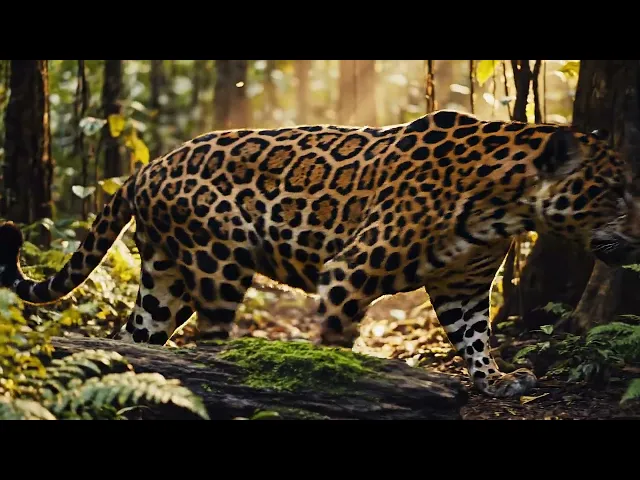
Conserve the jaguar
Savimbo delivers the world's first certified fair-trade biodiversity credits, connecting Indigenous and local communities in biodiversity hotspots to global markets using indicator species methodology and camera-trap verification.
Savimbo: Fair-Trade Biodiversity Credits
Savimbo is a conservation platform that creates and sells biodiversity credits designed to provide an immediate conservation economy to smallholder farmers and Indigenous communities protecting primary forest with intact populations of rare or endangered species.
How the Credit Works
Each Savimbo biodiversity credit represents one hectare of 100% conserved biodiversity in a designated biodiversity hotspot for one month, verified through photo or video evidence captured via camera traps. Credits are calculated using an indicator species methodology — the presence and health of key animal species serves as a proxy for overall ecosystem integrity.
Certification and Market Infrastructure
Savimbo developed the Interoperable Biodiversity Unit (IBU), an open-science standard designed to work across different biodiversity methodologies worldwide. The methodology was certified by Cercarbono and tracked by Ecoregistry, making it the first certified biodiversity credit globally. The International Carbon Registry (ICR) subsequently adopted the unit with interoperable standards. Credits are listed on multiple exchanges, including Emsurge (the first OTC listing), Dovu, Boosterra, and Xpansiv.
Why It Matters
Indigenous peoples represent approximately 6% of the global population but steward an estimated 80% of the world's biodiversity and conserve roughly 31% of the planet's land. Despite this, conservation funding flows inversely to the regions with the highest biodiversity, and many Indigenous and local communities lack the formal land titles required by traditional certification markets. Savimbo addresses this gap by offering two credit tiers: certified credits with full land title and verification, and +Impact credits for communities excluded from certification markets due to structural inequities in land titling, but who hold recognized land tenure and historical rights.
Global Reach
The open-source methodology is now being applied by local and Indigenous groups across more than 18 countries — including Fiji, Papua New Guinea, Brazil, Ecuador, Peru, Gabon, Kenya, Nepal, Cambodia, and the Bahamas — spanning marine, jungle, and savannah ecosystems. Over 40 Indigenous and local communities across seven sociocultural regions currently participate as credit suppliers.
Buy Biodiversity Tokens
Support this project by buying the Rain Forest Tokens.
Join our Community Forum
Any other questions? Get in touch